Introduction
The relationship between a site and its neighborhood is vital for creating buildings that fit into the context, ensuring harmony with the environment, and the existing social and physical fabric. For architects in Nigeria, a country with diverse urban, suburban, and rural landscapes, mastering the analysis of the site’s neighborhood requires an understanding of the unique characteristics of Nigerian cities, towns, and villages.
In this post, we will discuss the importance of neighborhood analysis in architectural design, highlight key factors to consider, and provide examples relevant to the Nigerian context.
Table of Content
Importance of Neighborhood Analysis in Site Planning
The immediate and extended neighborhood surrounding a site, plays a significant role in influencing the final design. In the Nigerian context, where cities have diverse urban fabrics, neighborhood analysis is even more important to:
- Ensure Compatibility: Neighborhood analysis ensures that the new development aligns with existing structures and the community’s character. For example, a modern high-rise building might disrupt the character of a traditionally low-rise neighborhood.
- Identify Opportunities for Integration: Understanding the neighborhood allows architects to take advantage of existing infrastructure such as roads, utilities, markets, and public transportation. In fast-growing cities, leveraging proximity to these amenities is critical for sustainable design.
- Mitigate Potential Risks: In a rapidly urbanizing country like Nigeria, there may be ongoing changes in land use, zoning, and infrastructure development. By thoroughly understanding the neighborhood, architects can identify potential risks, such as road expansions or changes in land use that might affect the project.
Factors to Consider in Neighborhood Analysis
a. Social and Cultural Context
In Nigeria, a deep understanding of the local culture is crucial in any site neighborhood analysis. Different regions have their own architectural history, social practices, and cultural sensitivities. For example:
- Northern Nigeria tends to favor more introverted building layouts due to privacy needs, influenced by Islamic culture. This often leads to courtyard designs.
- In Southern Nigeria, especially in the Yoruba region, more communal, outward-facing designs may be prevalent, reflecting the communal nature of the culture.
A failure to respect these cultural norms can lead to a project that feels out of place or is not embraced by the community. An architect working on a residential project in the rural areas of the southwest, for instance, should respect the communal values of the neighborhood and possibly incorporate shared outdoor spaces that foster social interactions.
b. Urban Infrastructure and Transportation
Understanding the neighborhood’s infrastructure is crucial for both the functionality and accessibility of the building. In Nigerian cities, traffic congestion is a major concern, especially in densely populated urban centers like Lagos or Abuja. When conducting site analysis, one must assess:
- Road Networks: Are the main access roads adequate? How does the site connect to highways or public transport routes? For example, in Lagos, locating a commercial project near the BRT (Bus Rapid Transit) routes can significantly enhance accessibility.
- Pedestrian Movement: In busy cities like Port Harcourt or Kano, understanding pedestrian traffic is also critical, especially in areas close to markets, bus terminals, and business districts. This is vital when planning entrances, exits, and parking areas.
- Utilities and Infrastructure: Is there access to electricity, water supply, and sewage systems? In some areas of Nigeria, particularly semi-urban and rural areas, these utilities may be unreliable, and the building design may need to incorporate alternatives such as solar panels or boreholes.
c. Land Use and Zoning
In Nigerian cities, zoning laws may dictate how land within a neighborhood is used. Zoning regulations are typically in place to separate residential, commercial, industrial, and agricultural uses. For example, in certain urban cities like Lagos or Abuja, there are strict zoning laws that dictate land use such as residential houses, commercial developments, mixed-use developments or government use. Ensuring that your building complies with zoning laws prevents potential legal conflicts and ensures the project meets urban development standards.
Moreover, informal land uses, common in developing urban centers like Kano or Ibadan, can complicate zoning adherence. These areas often have unplanned developments where land use is fluid, so architects need to be flexible and ready to adapt designs based on real-world conditions.
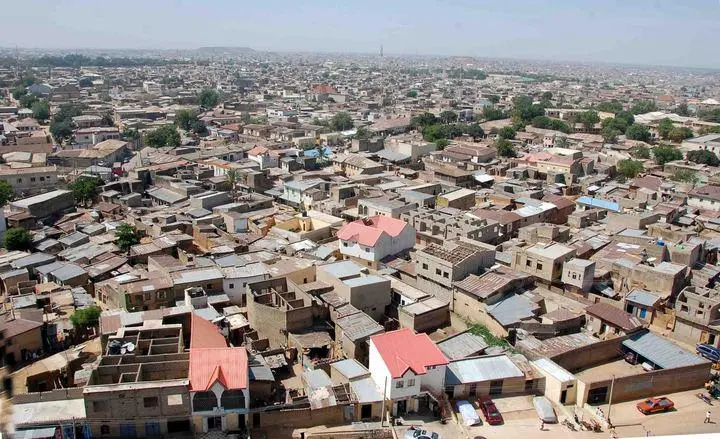
(source: https://www.premiumtimesng.com/regional/nwest/619204-kano-residents-protest-planned-demolition-of-bridge-constructed-by-opposition-lawmaker.html?tztc=1)
d. Environmental Context
The environmental aspects of a neighborhood significantly influence site design in Nigeria. Depending on the region, architects must consider:
- Flooding Risks: Coastal regions like Lagos and Port Harcourt are highly prone to flooding. Additionally, areas prone to flooding due to lack of proper drainage should be investigated. Understanding the topography and drainage systems in the surrounding neighborhood is essential to avoid water-logging and foundation damage.
- Heat and Sun Exposure: In northern Nigerian cities such as Maiduguri or Kano, where temperatures soar, neighborhood analysis should include the availability of shading from trees or nearby buildings. This helps design with climate-sensitive solutions, like shaded walkways or solar control glazing to reduce heat gain.
- Noise Pollution: In areas close to open-air markets like in Onitsha, noise pollution can become a major issue. Identifying noise sources such as traffic, industrial activities, or local markets will help the architect incorporate soundproofing or landscape buffers to enhance the comfort of occupants.

(source:https://www.inlandtown.com/onitsha-market-the-largest-market-in-west-africa/)
Social and Economic Factors
a. Community Profile and Socioeconomic Factors
In Nigeria, neighborhood’s have widely varying socioeconomic profiles. An architect designing for a high-end neighborhood in Banana Island, Lagos, which may demand luxury materials, higher technology integration, and additional amenities, will approach a project differently than for a lower-income area like Dorayi in Kano, where affordability is prioritized. By understanding the demographics and economic activities of the neighborhood, architects can tailor designs that are both functional and appealing to the local community.
b. Security Considerations
Nigeria’s urban centers vary in terms of safety, and this plays a significant role in neighborhood analysis. In areas where security concerns are prevalent, architects may need to design buildings with security features like perimeter fencing, controlled access, and CCTV surveillance. In more secure and gated communities, the focus may be less on securing the site and more on aesthetics and landscape design.
Neighborhood Character and Architectural Context
a. Architectural Styles
Neighborhood analysis also requires a study of the architectural styles prevalent in the area. Nigerian cities are often a mix of traditional, colonial, and modern architecture. In Ibadan, for example, you will find a blend of old colonial buildings alongside modern office complexes.
It’s essential to maintain a balance between respecting the existing architectural language and introducing contemporary elements. An architect designing in a heritage-rich neighborhood, must consider how the new structure will blend or contrast with the existing architectural heritage.

(source: https://meetdamilare.com/a-360-interior-and-exterior-look-of-mapo-hall-ibadan-oyo-state/)
b. Building Heights and Density
In fast-growing urban centers, architects must analyze the neighborhood’s building heights and density. If the surrounding buildings are low-rise structures, a high-rise building may feel out of place unless it’s part of a planned high-density urban development.
In Nigeria, particularly in places like Lagos or Port Harcourt, where land is scarce, developments often trend toward high density. The architect’s challenge is to create designs that optimize space without overwhelming the existing neighborhood fabric.

(source: https://www.pinterest.com/pin/592434525967601841/)
Infrastructure Development Plans and Future Neighborhood Growth
One of the key elements of neighborhood analysis is predicting future growth. Nigerian cities are rapidly urbanizing, and urban plans can change. An area that is currently residential may become commercial or mixed-use in the future due to rezoning or infrastructure developments.
For example, in Ikeja, Lagos, the recent development of the rail line has transformed the neighborhood from a largely residential and light-commercial area to a bustling transport and business hub. Architects must stay informed about infrastructure development plans and urban policies that might influence the site in the coming years.
Case Studies of Neighborhood Analysis in Nigeria
a. Eko Atlantic, Lagos
This is a new city being built on reclaimed land from the Atlantic Ocean. The neighborhood analysis for this project involved not only understanding the surrounding Victoria Island context, but also predicting the future growth of this entirely new area, including transport systems, public amenities, and environmental risks (like sea level rise and erosion).

(source: https://www.ekoatlantic.com/investing-for-development-a-case-study-of-eko-atlantic-city/)
b. Abuja’s Central Business District (CBD)
In Abuja, the Central Business District’s development was guided by the city’s master plan. Neighborhood analysis here required careful consideration of the proximity to government buildings, hotels, and national monuments. Additionally, as this district is a hub of activity, traffic patterns, parking requirements, and pedestrian flows were key factors in site planning.
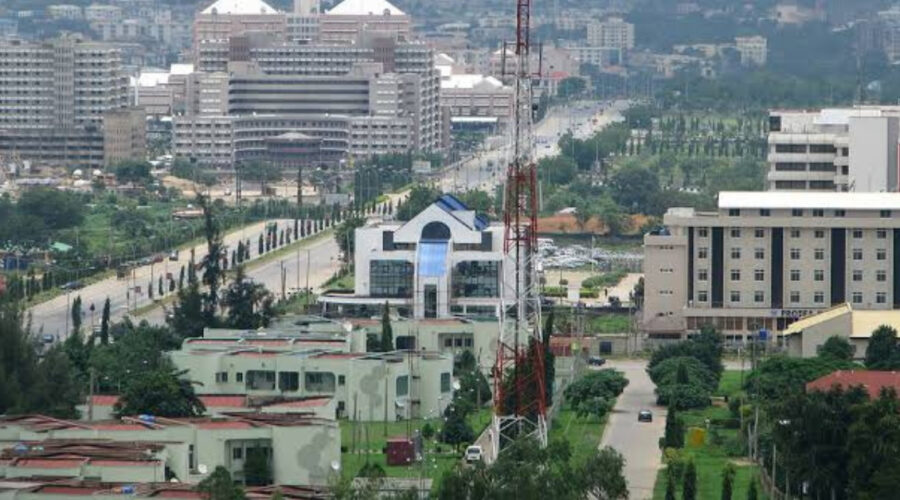
(source: https://aroundabuja.com/abuja-central-business-district/)
Conclusion
Understanding the site’s neighborhood is a vital component of site analysis and plays a defining role in the success of architectural projects. In Nigeria, where regions vary widely in terms of culture, infrastructure, climate, and urbanization, architects must go beyond the site itself to analyze how the surrounding environment impacts design decisions.
In our next post, we will explore site utilities and services, another critical element in site analysis, which plays a significant role in building services. Stay tuned!