Welcome to the launch of a new series called the Architectural Design Stage Series. This series is designed to cover architectural drawing, which is a major part of architectural design. This part of architectural design comes immediately afterPreliminary Design Stage. The information obtained and the decisions made during the preliminary design stage helps in designing site plans, creating floor plans, elevations and sections.
Throughout the course of the series, we will be discussing all the components that go into architectural drawing. Hence, the following is a list of upcoming episodes under this series:
Introduction to Graphic Communication
Understanding the Fundamentals of Design
Designing a Site Plan
Creating Floor Plans
Creating Roof Plans
Creating Sections
Creating Elevations
Perspectives
Stay tuned for this series and comment down below what your expectations are. If you are a student, tell us what your favorite step is, what your least favorite step is, where you think you are lacking the most, etc. I would really appreciate your feedback. You can also email me with any suggestions from my Contact page. This series will also run through Instagram so make sure you check out our page from the links below.
A concept is an abstract idea or invention used to help portray or sell an idea, opinion, theory or conviction. Pretty much like having a theme for a party, the decorations, food, setting and costumes all fall in line with the theme. In architecture, we use concepts as an approach to a design, an abstract that we base a design through its process. When we think of architectural concepts, we think of an abstract idea, one that is unchanging throughout the design process. This is not necessarily the case, a concept can be linked to many factors, and can evolve as the design grows. Architectural concepts are the designers way of responding to the design situation presented to them. They are a means of translating the non-physical design problem into the physical building product. Every project will have critical issues, central themes or problem essences, and the general issues of designing a building can be approached in a number of ways.
The following is a broad category of the approaches used for concepts in architecture:
Functional Approach
This approach normally goes with the famous saying “form follows function” which simply means the form or shape of the building is achieved through the level of functionality of the building. It is considered when the project at hand needs a more functional element rather than an aesthetic one. For example, in the design of a factory or a hospital, where the functionality of the spaces is at the forefront of the design, a functional approach is best suited for the design concept. This approach does not mean that the design must lack aesthetic properties, but it may just be that the function of the building is the key focus.
Material Approach
Choice of materials is an early part of design, and it can also be an approach for a design concept. By focusing on a specific material, we will be naturally led towards particular forms of construction, therefore creating a type of appearance organically. This approach gives room for innovation as selection of local materials gives the public a sense of comfort and familiarity and flows with the natural surrounding. For example, a museum in Kano, Nigeria, can be constructed with sun bricks which is a local building material in the area, which will impact and attract the visitors of the museum.
Gidan Makama Museum, Kano, Nigeria designed with locally sourced materials (Source: Daily Trust)
Contextual Approach
This approach usually looks at the context of the site and surroundings, the historical features of the area, the people that occupy the area. This approach is heavily drawn from site analysis, exploring the data collected about the site, which may be physical and non-physical data. This does not always mean that a design must fit into the context of its surroundings, but some designers tend to create a contrast between the old and the new. For example, a house to be built within a rocky area, may tend to have stone finishing, an edgy design etc., while on the opposite hand, a modern house designed within the midst of old classical houses.
Michael Lee-Chin Crystal, an addition to the Royal Ontario Museum, Toronto designed by Daniel Libeskind (Source: Architectural Digest)
Conceptual Approach
This approach deals with designs that are based of a concept or an idea. This is the most common concept known to students, as they base their designs on certain abstract ideas which may be an object or an item. Conceptual architecture is sometimes never built, but rather designed as a form of thought provocation, exploration of ideas. An example of this approach is the Burj Al-Arab in Dubai where the concept originated from a sail.
Burj Al-Arab, Dubai (Source: Pexels)
Philosophical Approach
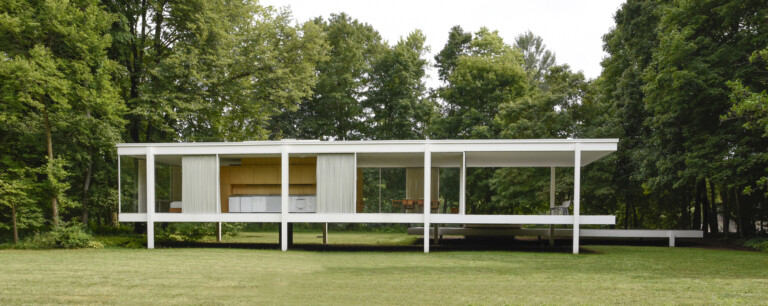
Another approach to architectural concepts is to consider your design philosophy. This is a set of values you use to inform your design. The values could be the life values of the designer, or could be a reflection of the design brief or context of the site, or indeed a combination of all three. A good example of an architect that uses this approach is Ludwig Mies van der Rohe, who is famous for his saying “less is more”. He emphasized on simplicity and often used steel and glass as building materials.
Fransworth House by Ludwig Mies van der Rohe (Source: fransworthhouse.org)
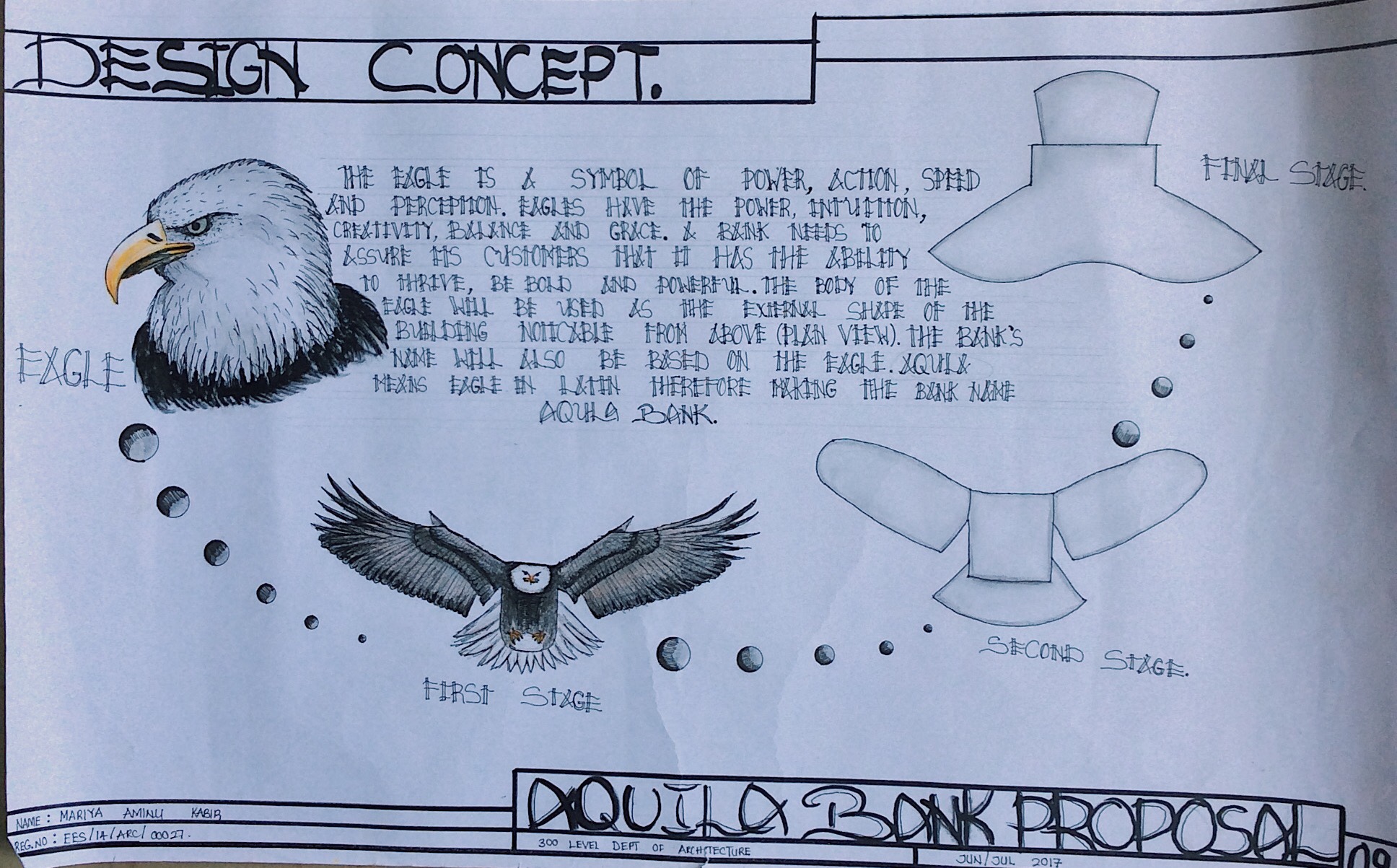
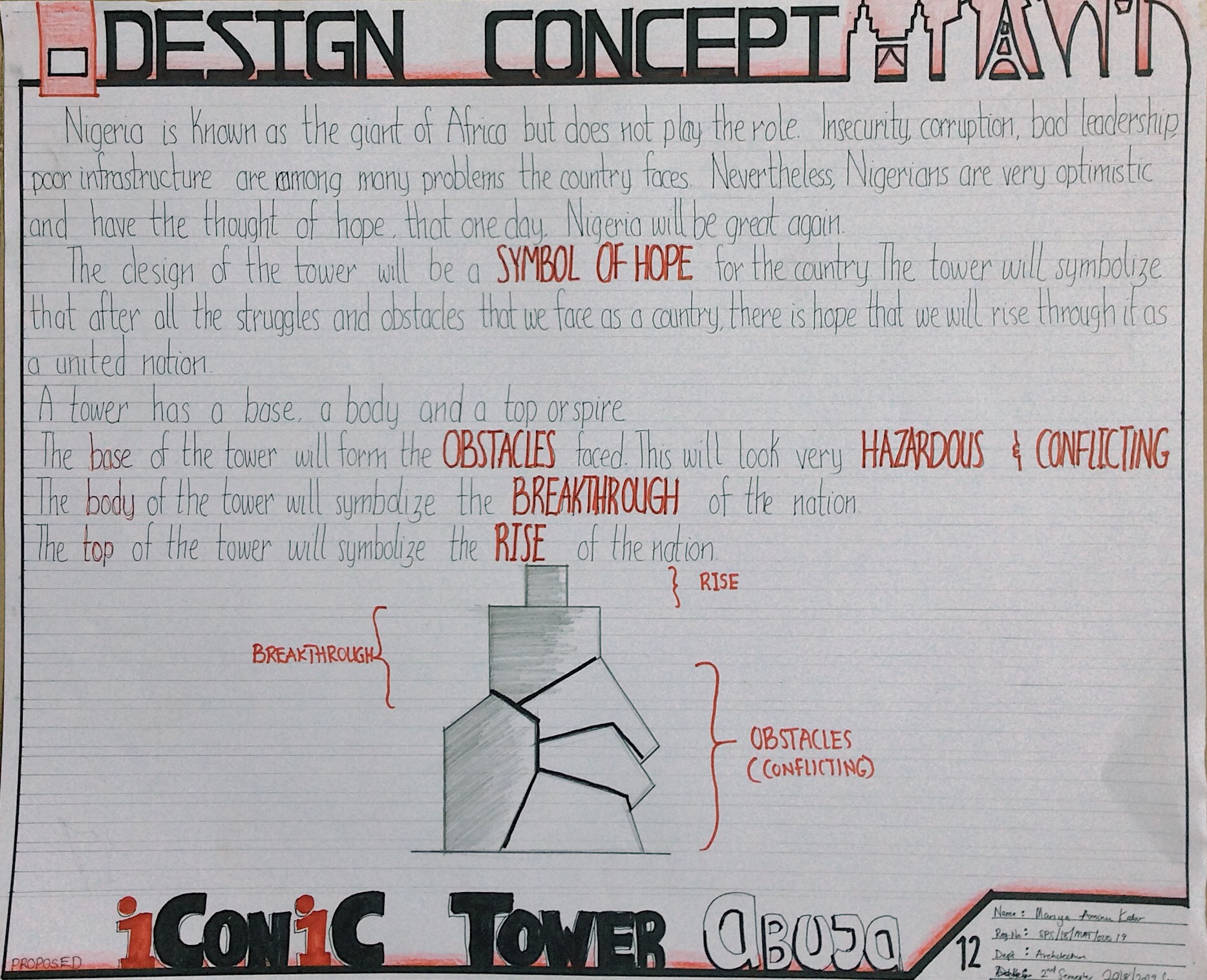
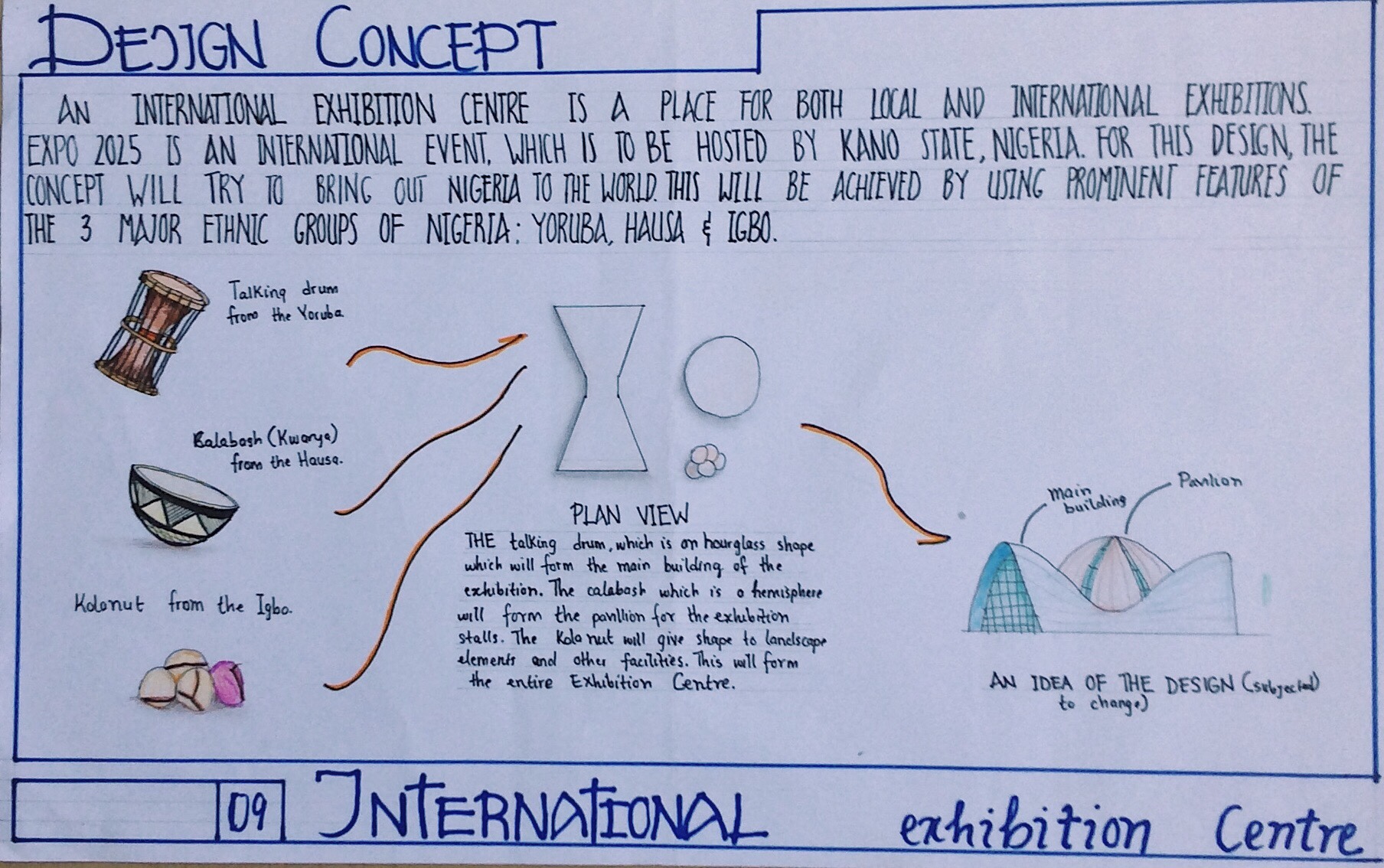
After choosing an approach, the next step is narrow done the details of the concept and how it relates to the design. Sketches will come into play as you need to translate the concept into a diagram which will reflect into the design. This will later be developed into floor plans, elevations, or any part of building that the concept adapted comes into play with. Below are some examples of design concept sheets in architecture:
Design Concept for a BankDesign Concept for a Skyscraper Design Concept for an International Exhibition Centre