Architectural Working Drawing Series, Design, Education

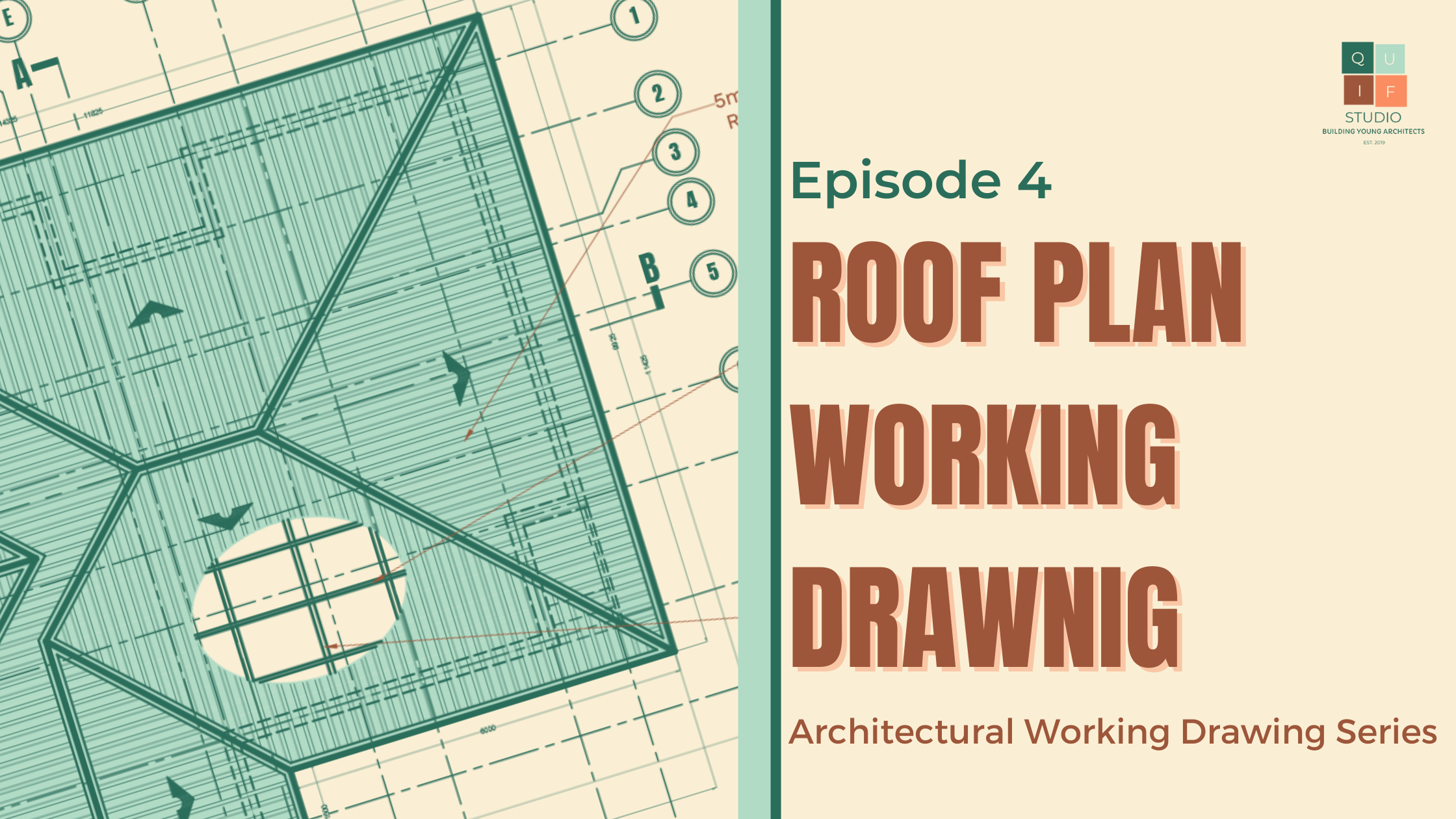
Episode 4: Roof Plan Working Drawings

The working drawing of a roof plan provides information about the roof and its elements. It provides us with the roof layout, materials to be used and the location of trusses and other roof elements. In this post, you will learn about the required information for the working drawing of a roof plan.

The information in a roof plan is categorized into the following:

Roofing Elements

  1. State roof trusses type and centres.
  2. Indicate position of spouts or rain water pipes.
  3. Indicate position of overhead tanks (if any).

Roofing Materials and Finishes

  1. State type of roof covering.
  2. State materials for trusses and other roofing elements.
  3. State finishing to all concrete gutters.

Annotations and Other Elements

  1. Indicate fall of roofing sheets or screed.
  2. Indicate grid lines.
  3. Indicate section lines.
  4. Indicate dimensions of roof and roof elements.

Graphics of Roof Plan Working Drawing

  • Scale

Similar to the floor plan working drawing, the size of a roof plan in working drawings should be large enough to expose details of the drawing. 1:50 can be adopted for relatively smaller roofs, while 1:100 can be adopted for larger buildings. However, some parts of the roof plan can be blown out with a bigger scale to reveal more information.

  • Dimensions

All parts of the drawing should be fully dimensioned; however, repetition should be avoided to prevent confusion. Dimensions should be accurate and legible.

  • Symbols and Annotations

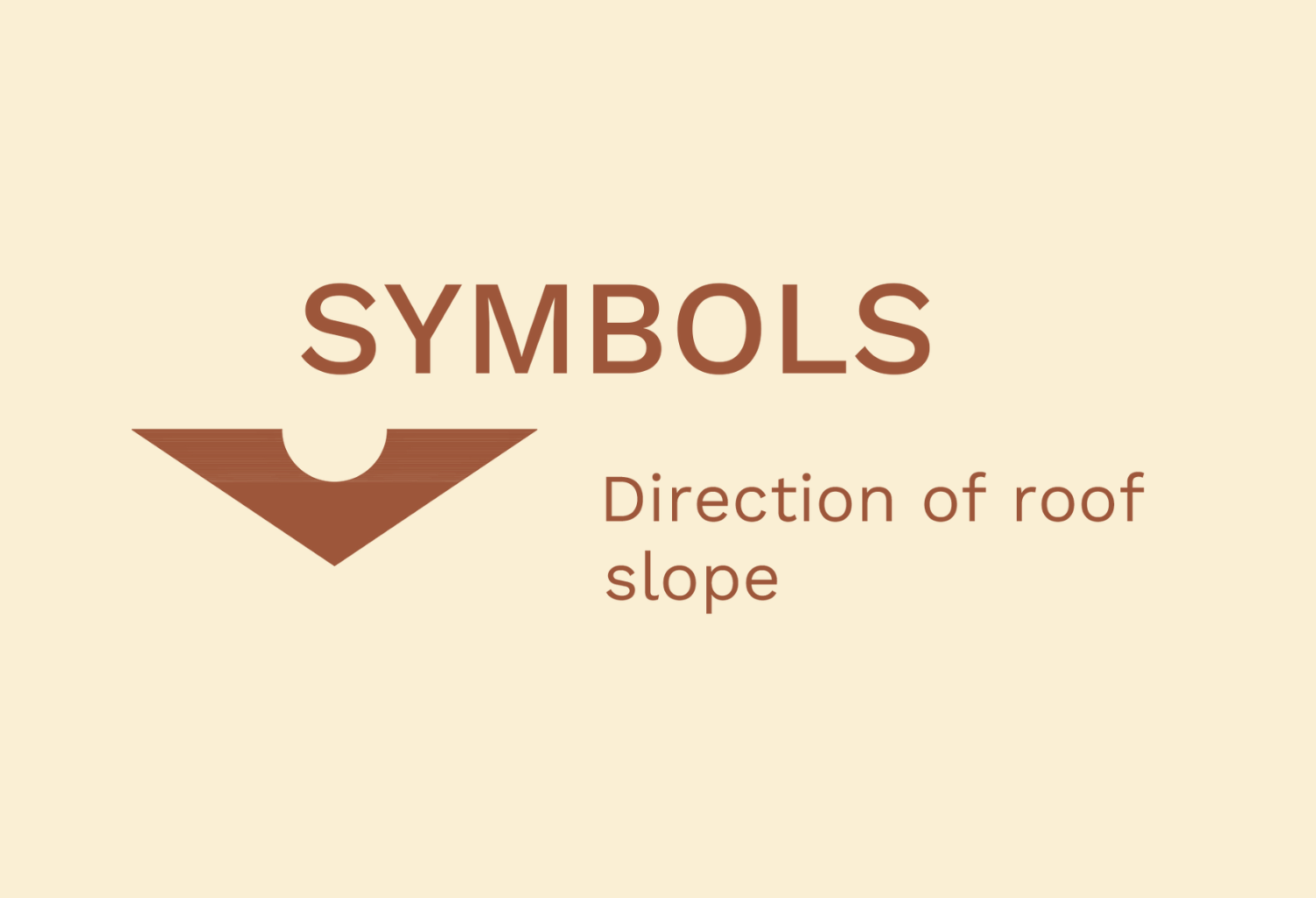
Here are some symbols and annotations used in roof plan working drawings:

Symbols and Annotations of Roof Plan Working Drawing
  • Specifications

Materials and finishing should be fully specified in the working drawing. This information can be provided in the drawing, or in the specification document of the project.

In conclusion, creating a roof plan is an indispensable skill in the field of architecture and design. This essential element not only adds the finishing touch to a building’s aesthetic appeal but also plays a pivotal role in ensuring structural integrity and weather protection. The detailed specifications and annotations within a roof plan serve as an invaluable guide, facilitating the realization of your architectural vision with precision and efficiency. As architects and designers, mastering the art of crafting roof plans is an essential step towards turning your creative concepts into tangible structures that stand the test of time.

To have access to a complete checklist of information to be provided, you can click the download button below:

Example of Roof Plan Working Drawing
Architectural Design Stage Series, Design, Education

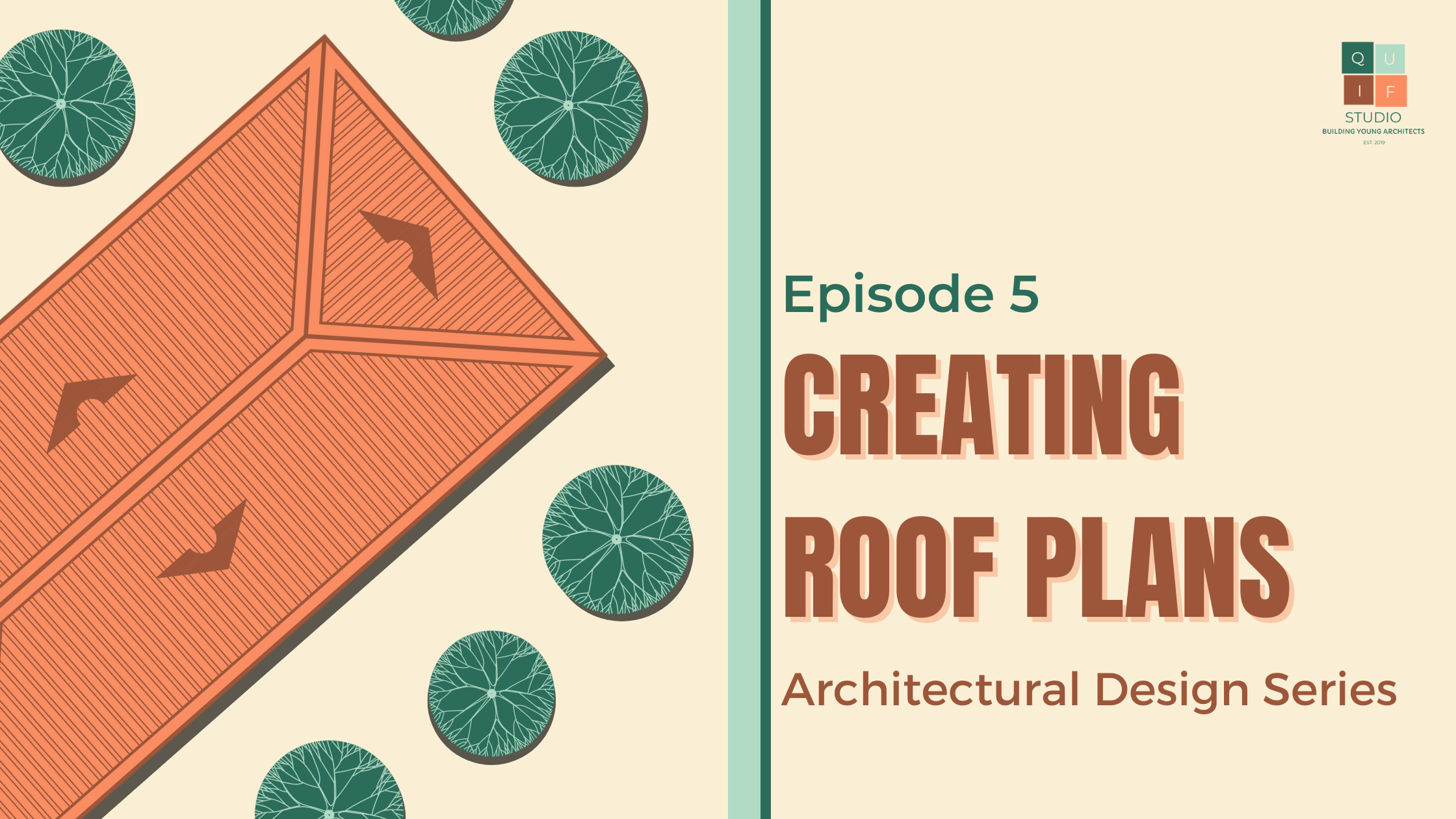
Episode 5: Creating Roof Plans

You are at a stage where you have a functional floor plan. The next step to take would be to create a roof.  A roof is a building element that covers or forms the top of a building. There are various types of roofing designs. Here are 12 common roof designs.

12 Common Roof Types

For the purpose of this post, I will be using a combination of Gable and Hip roof type.

Elements of a Roof

Before creating a roof, we first need to understand what a roof is made up of.

Elements of a Roof from Brava

Generating a Roof Plan

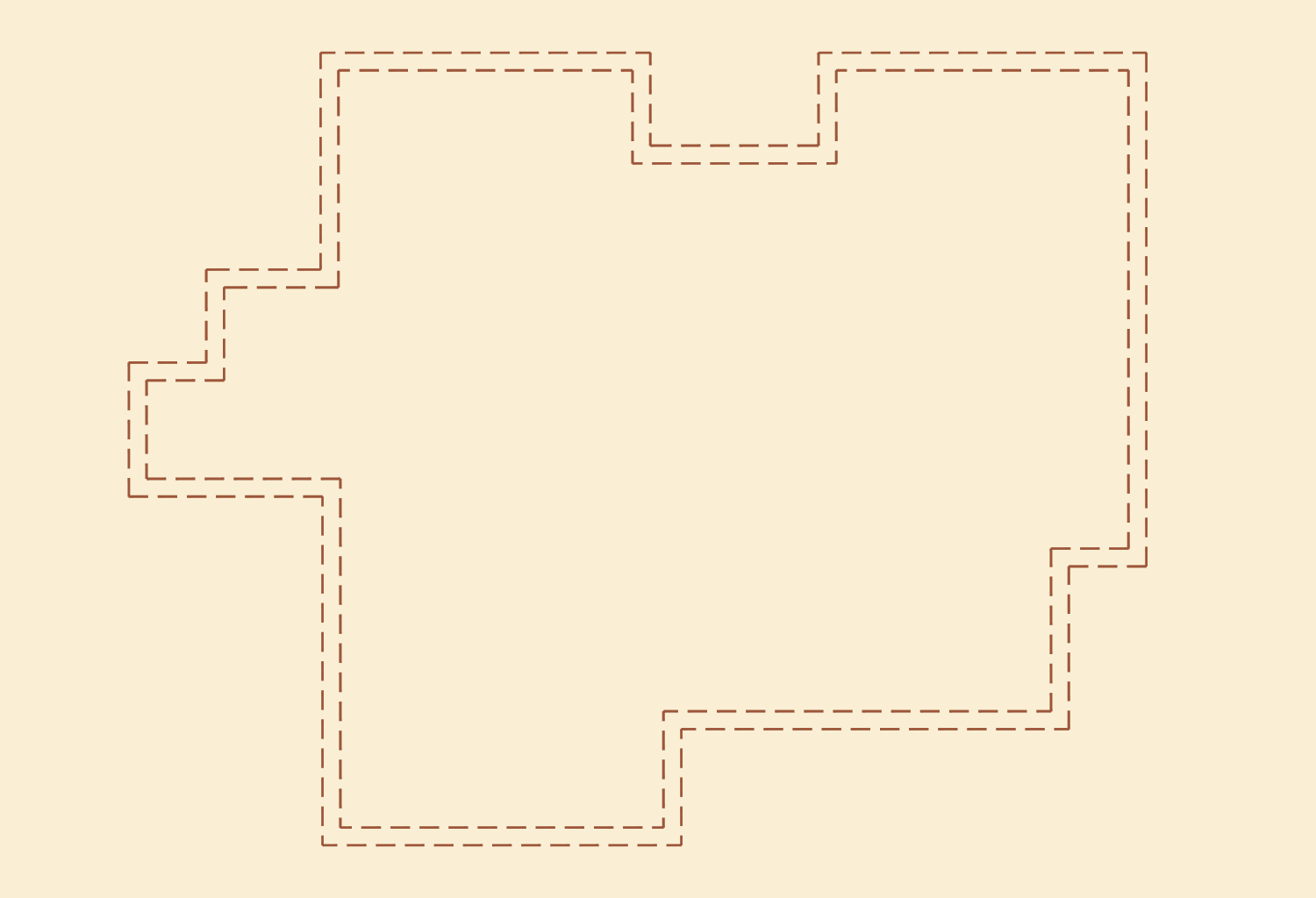
After selecting a suitable roof type for your design, the next step would be to sketch out the roof footprint/layout. Using the floor plan created in Episode 4: Creating Floor Plans, the footprint of the roof covers all the external walls . This is drawn using a broken line to indicate that it is a hidden detail.

Outline of Exterior Walls

At this point, we can identify the edge of the roof. This would also be the location for the roof fascia. For this design, we will use a width of 300mm from the external wall for the fascia.

Now we can draw out the plan of the roof. The gable part of the roof will be at the front and left side of the building, while the rest of the roof will be a hip design.

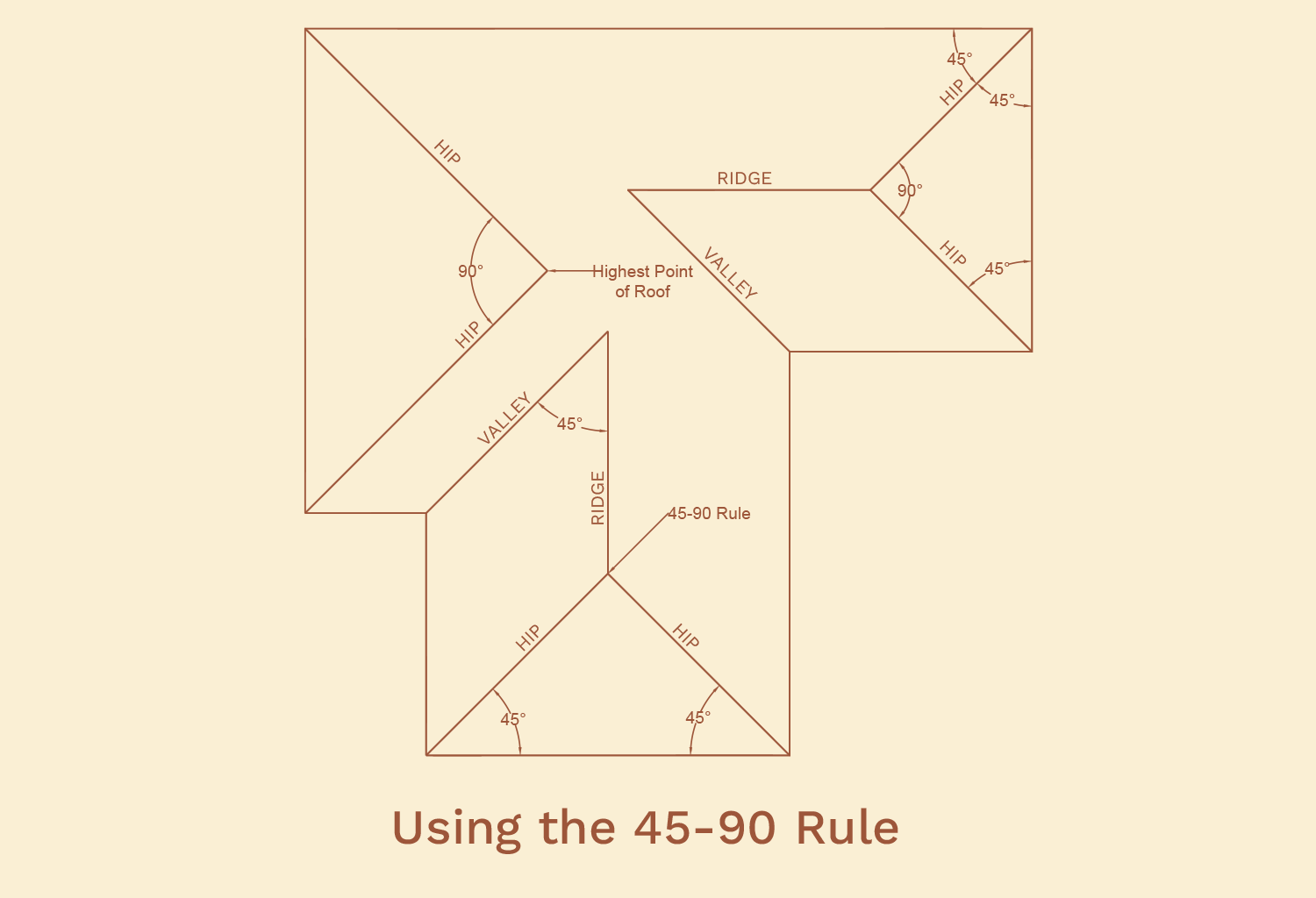
To draw these out, it is important to know a little rule I like to call the 45-90 rule. This rule helped me learn how to draw out the plan of a hip roof. The lines drawn to make a hip roof are usually projected at a 45-degree angle. We will refer to those lines as Hip lines. Where these two points meet creates a 90-degree angle or a right angle. At any point where a 90-degree angle is met, a straight line emerges from it. That straight line forms a ridge line. Examine the example below.

Example of Hip Roof Connection

For more complex roofs, like roofs that have valleys, the same concept is applied with a little twist. The valley lines are extended to connect with the ridge line in their path. At the point where they meet, a hip line is introduced. The direction of the hip line should be towards the highest point of the roof. This line will either connect with another hip line (coming at a 45-degree angle) to form a 90-degree angle to form another ridge line, or will join the highest point of the roof and complete it. Examine the example below:

Complex Hip Roof Connection 1
Complex Hip Roof Connection 2

For this design, the plan for the roof will look like this:

Layout of Roof Plan
Roof Plan

Roof Plan Graphics

To draw a roof plan, there are certain graphical and design elements you need to consider.

1.   Scale

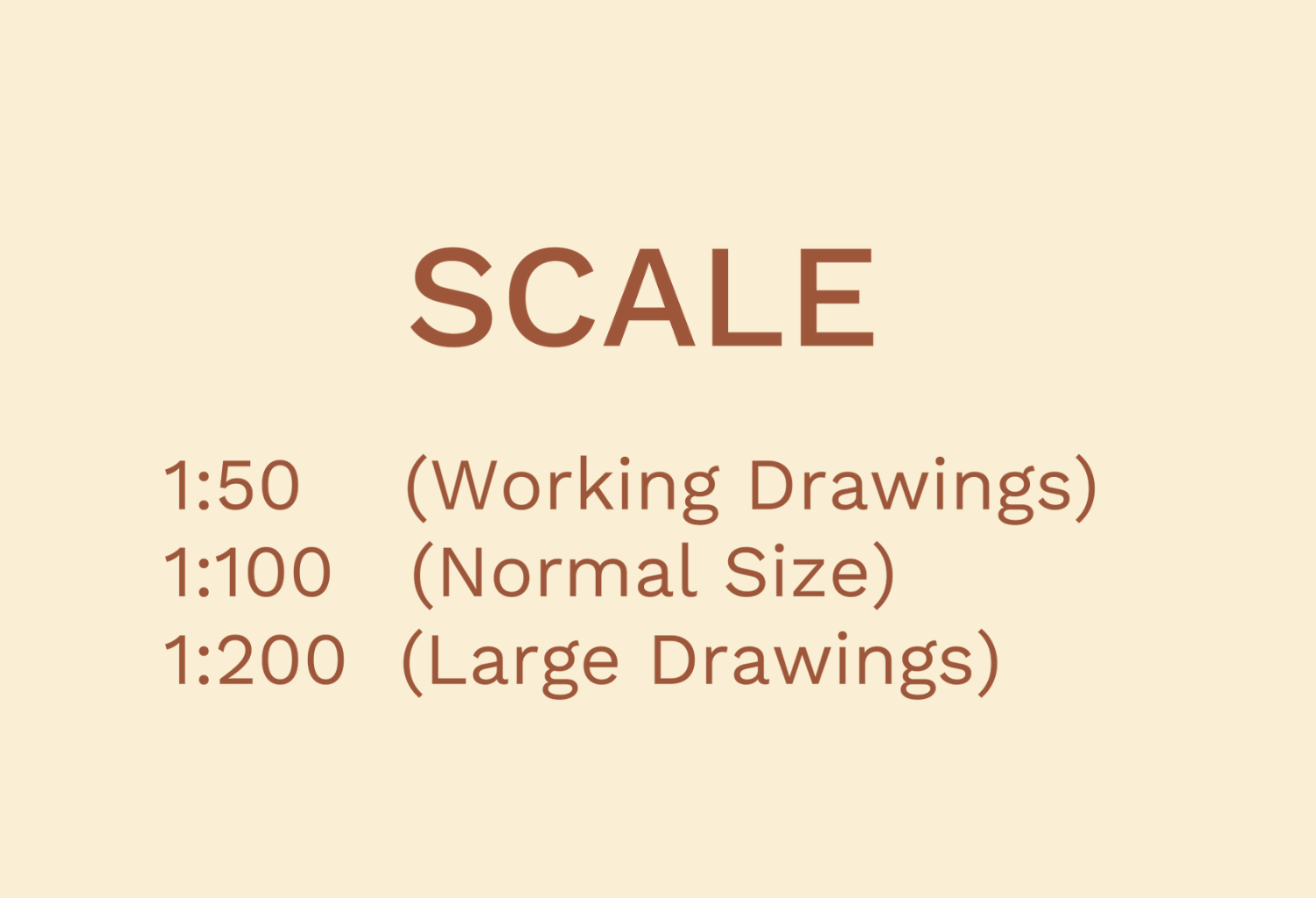
The scale used in drawing a roof plan should be the same as the scale of the floor plan. This will give uniformity in the presentations of the drawings. Therefore, we will stick to scale 1:100 to draw the roof plan. For larger roof plans, the scale moves to 1:200. To show more details on a roof plan, we use scale 1:50 (scale is in millimeters).

2.   Lines

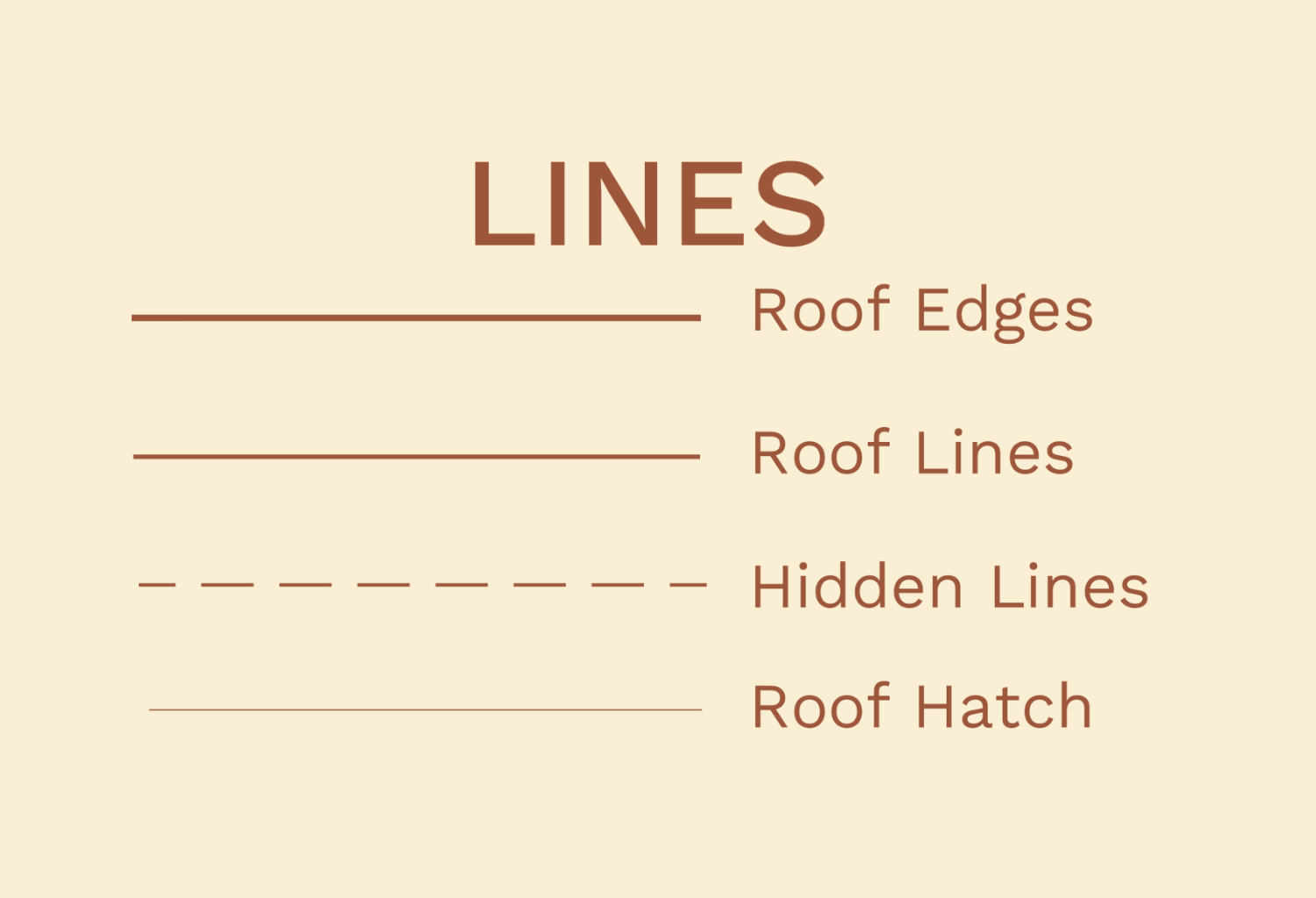
There are a lot of line weights displayed in a roof plan. The outline of the roof is usually the thickest. The roof lines (ridges, hip, and valley) follow with medium thickness. Hatches and other details are drawn with thin lines.

For the line types, the roof outline, roof lines and hatches are drawn using continuous lines, while hidden objects are drawn with short dashes.

3.   Signs and symbols

The main symbol used in a roof plan is used to show the direction of the slope of the roof.

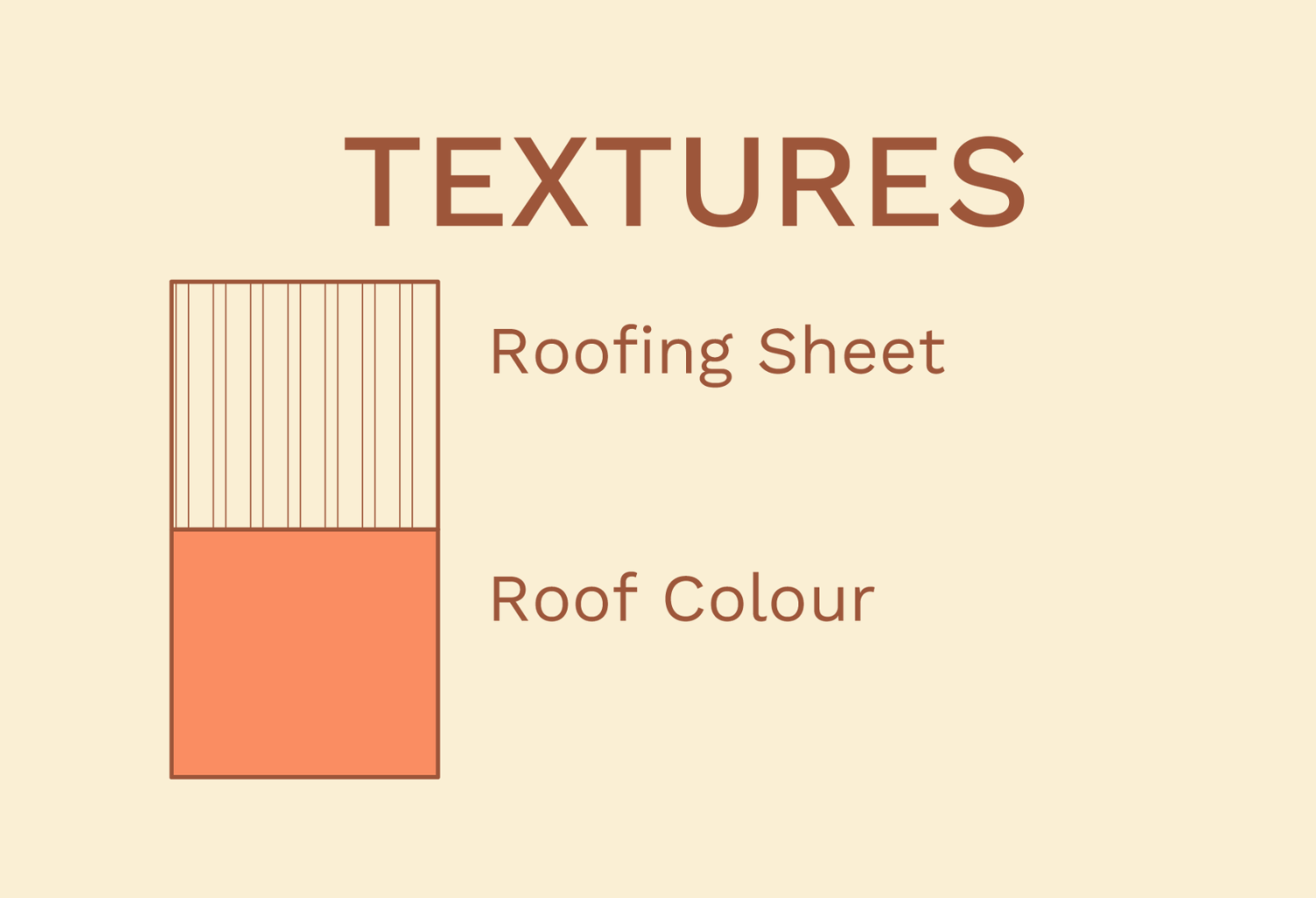
4.   Textures

Here are some textures we adopt in designing roof plans:

Roof plans can be over looked during design, but they are vital for the next step in the series. Stay tuned to find out in the next post . Thank you for reading!

Creating Roof Plans