
Introduction
As architects navigating the diverse landscape of Nigeria, understanding the aspects of solar orientation is vital for creating buildings that seamlessly integrate with our environment. In this comprehensive guide, we will explore the significance of solar orientation, its impact on energy efficiency, and practical strategies tailored to the Nigerian context.
Table of Content
Importance of Solar Orientation
The sun is such a powerful element that can dictate the design of buildings. The sun affects the temperature, visibility, energy consumption, material degradation, solar gains, indoor air quality, and overall, the psychological and physical well-being of the users. This makes it vital to understand how to use the sun to your advantage as an architect.
In the Nigerian climate, characterized by varying temperatures and abundant sunlight, optimizing solar orientation is a game-changer. In an environment like Nigeria where we feel the impact of global warming, rising temperatures and the lack of stable electricity to even depend on artificial cooling systems, proper solar orientation not only enhances natural lighting but also influences passive heating and cooling, significantly impacting the overall energy performance of a building.
Given these factors, it is clear that mastering solar orientation is crucial for architects in Nigeria. By strategically positioning buildings and selecting appropriate building materials, architects can harness the benefits of the sun while mitigating its challenges. This approach not only promotes energy efficiency but also enhances the comfort and sustainability of living and working spaces.
Solar Path in Nigeria
a. Equatorial Location
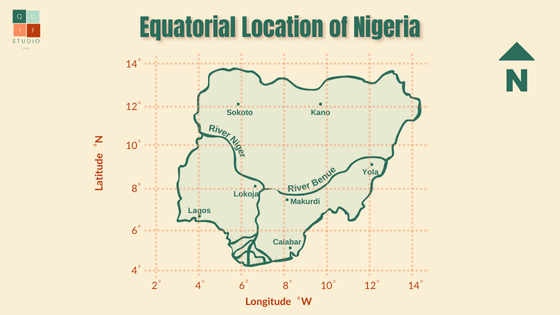
Nigeria’s equatorial position ensures a consistent solar path throughout the year. Nigeria is located slightly above the equator. While the equator is at 0 degrees latitude, Nigeria is approximately within the latitudes 4 degrees to 14 degrees North and longitude 3 degrees to 15 degrees West. This means the country experiences a tropical climate with significant solar exposure throughout the year. Understanding the sun’s trajectory is crucial for architects aiming to harness its energy effectively.
b. Seasonal Variations
Although Nigeria does not experience the typical seasonal variations (spring, summer, autumn, and winter) due to its tropical nature, subtle shifts in the sun’s path occur, influencing daylight availability and the angle of incidence. Nigeria experiences two seasons; dry and wet seasons. The dry season is typically from November to March while the wet season is from April to October.
c. Solar Path Changes
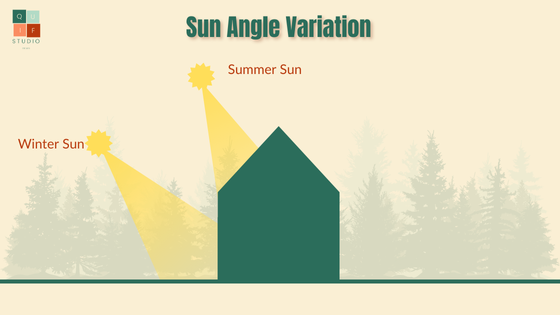
The sun’s path varies throughout the year affecting its altitude and the angle in which it strikes the Earth. This variation is commonly known as Summer Sun and Winter Sun. Even though Nigeria does not have a summer or winter, the concept still applies in terms of solar path change. During the “summer” months (roughly June to September), the sun is higher in the sky leading to more direct and intense sunlight. During “winter” months (roughly December to February), the sun’s path is lower resulting in less direct sunlight.
Tools for Solar Analysis
a. Sun Path Diagrams
Sun path diagrams visually represent the sun’s movement throughout the day and across seasons. These tools can aid in understanding the variations in solar exposure at different times of the year.
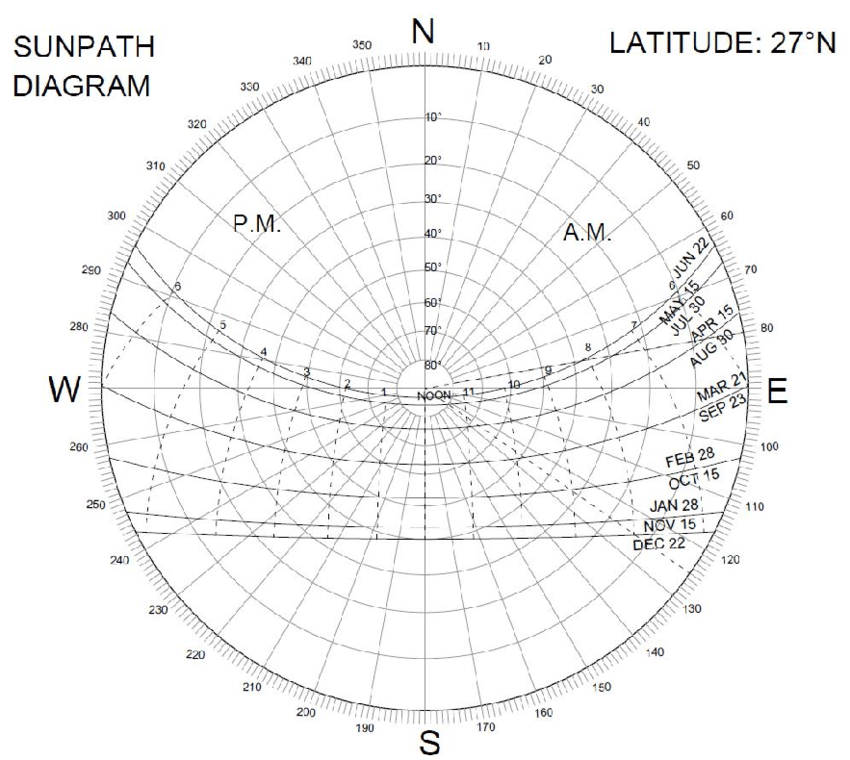
(Source: www.jaloxa.eu/resources/daylighting/docs/sunpath_27_north.pdf)
b. Solar Analysis Software
Advanced software allows for simulations and analysis of solar exposure based on specific geographical locations. This technology enables precise calculations for optimal solar orientation.
Site-Specific Considerations
a. Topography
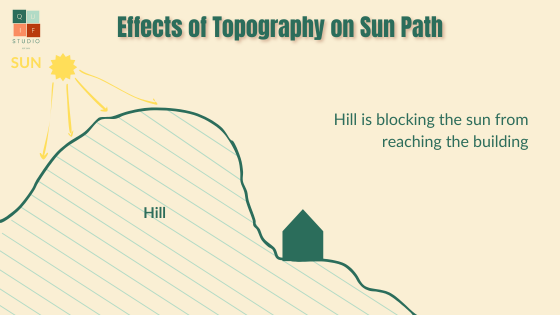
The surrounding topography plays a crucial role in solar orientation. Analyzing hills, slopes, and adjacent structures helps architects determine potential shading and exposure patterns.
b. Vegetation
Trees and foliage impact solar exposure. Integrating landscaping strategically can provide shade in areas prone to excessive sunlight while ensuring optimal exposure where needed.

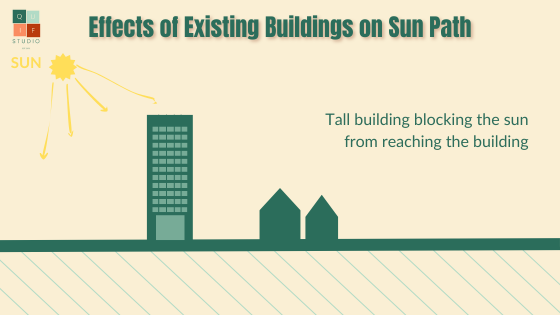
c. Existing Buildings
Existing buildings can cast shadows that affect the amount of sunlight reaching a proposed building depending on their height and orientation. This can impact solar access, natural lighting and opportunities for installing solar panels.
Design Strategies for Solar Orientation
a. Building Orientation
Placing the building along an east-west axis reduces excessive heat gain from the low-angle morning and afternoon sun. Additionally, in the Northern Hemisphere, orienting the building with the longest side facing south maximizes solar gain in winter (dry season) and minimizes it in the summer (hot season).

b. Fenestration Designs
Strategically placing windows, incorporating shading devices, and utilizing high-performance glazing enhances day-lighting while minimizing solar heat gain. It is also important to optimize wall-to-window ratio to maximize natural light while minimizing heat gain or loss.
c. Building Material Selection
Using light-colored or reflective materials on roofs and walls can reduce heat absorption. Also, incorporating materials with high thermal mass like thick concrete or brick walls can help insulate the building and improve indoor comfort.
d. Landscaping
Planting deciduous trees can help provide shade and help with cooling around the building. Incorporating vegetation on roof and walls can significantly reduce heat absorption and improve insulation.

Case Studies
a. Residential Design – Passive Solar Heating
In the northern region, architects can design homes with south-facing windows to capture sunlight during the day, providing natural warmth during cooler evenings.
b. Commercial Building – Daylight Harvesting
In a bustling urban area, a commercial complex incorporating skylights and reflective surfaces can maximize natural daylight, reducing the need for artificial lighting.
Sustainable Design Integration
Optimizing solar orientation aligns seamlessly with sustainable design principles, offering the following benefits:
a. Energy Efficiency
Proper solar orientation reduces reliance on artificial heating and cooling systems, contributing to energy efficiency and lower operational costs.
b. Daylight Benefits
Maximizing natural light improves indoor comfort, reduces the need for artificial lighting, and positively impacts occupants’ well-being.
c. Renewable energy
Proper positioning of solar panels to maximize exposure to sunlight can significantly improve clean energy generation. Innovations like Building-Integrated Photovoltaic (BIPV) which allows for solar panels to be integrated into building materials like facades or windows are a great way to enhance energy efficiency and aesthetic appeal.
Challenges and Solutions
Navigating solar orientation presents challenges, but architects can overcome them with thoughtful solutions:
a. Shading Strategies
Strategic placement of shading elements, such as overhangs and louvers, mitigates issues related to excessive solar exposure.
b. Urban Planning Considerations
In densely populated urban areas, architects must consider the collective impact of building orientations on the local micro-climate and energy demand.
Conclusion
Solar orientation stands as a cornerstone in the architectural dialogue of Nigeria. By unlocking the potential of the sun, architects can create buildings that not only respond to the climate but also contribute to energy efficiency and sustainable living. As we continue our exploration of architectural considerations and the importance of proper site analysis in Nigeria, the role of solar orientation demonstrates the synergy between design and the natural environment.
In our next post, we will explore the effects of neighborhoods on a building site in architecture, continuing our journey toward creating spaces that seamlessly integrate with their environment. Stay tuned for more insights and practical tips on architectural design!